
Invitations: The Art of Welcoming and the Language of Connection
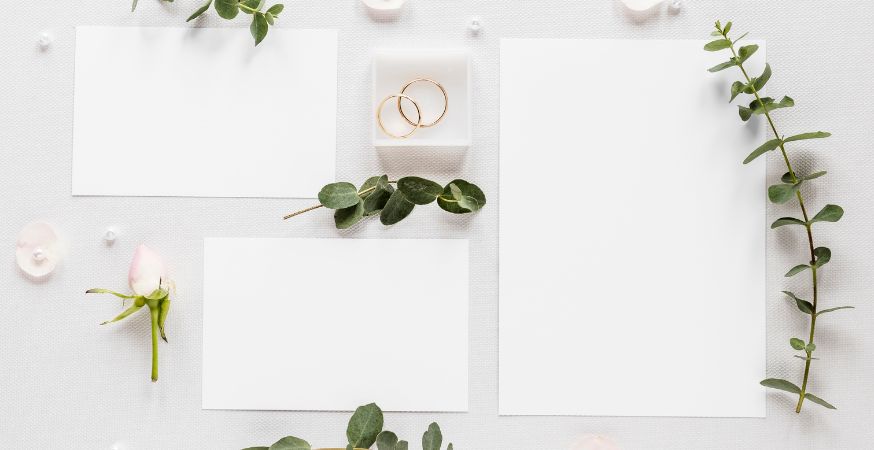
In a world increasingly defined by digital interactions and virtual engagements, the humble invitation remains a timeless emblem of human connection. It is, after all, the first step toward a shared experience—a moment of interaction that holds promise. Invitations, whether for a wedding, a birthday, a corporate event, or even a casual gathering, transcend mere formalities. They are powerful tools of communication that speak volumes about the event itself, the host’s style, and the anticipated atmosphere. As simple as they may seem, invitations serve as the gateway to experiences, framing the expectations of guests and setting the tone for the occasion.
At its most basic level, an invitation serves a practical function: it informs the recipient of the event’s details—when, where, and why. But beneath this functional layer, invitations also carry deep symbolic weight. They represent inclusion, the creation of shared memories, and the desire to mark a significant moment with others. Whether delivered via traditional mail, elegantly printed cards, or modern-day digital formats, the invitation remains a reflection of the host’s thoughtfulness, creativity, and intent.
The Evolution of Invitations: A Journey Through Time
The practice of extending invitations is as old as human civilization itself. In ancient Rome, formal invitations were often written on scrolls or engraved on stone tablets, particularly for important public events, banquets, or gatherings. The concept of a “guest list” can be traced back to these times, as society’s elite hosted grand feasts and celebrations. Early invitations were typically reserved for the wealthy and influential, as the art of hospitality was seen as an important marker of social status.
By the Middle Ages, written invitations began to spread among the aristocracy in Europe, though they were still far from common. These invitations were often hand-delivered by messengers and carefully composed in elaborate language. As printing technology advanced in the 15th and 16th centuries, the creation of printed invitations became more widespread. The industrial revolution and the rise of mass production further democratized the process, making it easier for families, businesses, and individuals to send out invitations on a larger scale.
The 20th century saw the golden age of invitations, where printing presses and design companies took invitation cards to new heights. The arrival of mass-produced greeting cards, along with the evolution of art and design, turned invitations into an art form in their own right. By the 21st century, the advent of the internet, email, and social media platforms revolutionized the way invitations were distributed. Despite this digital shift, however, the charm and importance of physical, thoughtfully designed invitations have not faded. The sense of occasion and intimacy they convey is something irreplaceable in a world dominated by digital notifications and online calendars.
Types of Invitations: Tailoring the Message to the Event
While the fundamental purpose of an invitation remains the same—to communicate the essential details of an event—the format and style can vary dramatically depending on the occasion. The type of event, the audience, and the formality level all play a significant role in the design and tone of the invitation. Below are some of the most common categories of invitations, each reflecting a different aspect of the event they are intended for.
1. Wedding Invitations: Wedding invitations are perhaps the most significant type of invitation, as they symbolize the beginning of a new chapter in the lives of two people. These invitations often feature the couple’s names in elegant typefaces, accompanied by a message that evokes the tone of the celebration—romantic, whimsical, formal, or modern. The level of formality is determined by the style of the wedding itself. A traditional church wedding may be paired with formal, engraved invitations, while a beach wedding might call for something more casual, such as a handwritten note or a beautifully designed card that reflects the relaxed nature of the event. Wedding invitations set the tone for the big day, and they often serve as a keepsake for the couple and their guests.
2. Birthday Invitations: Birthday invitations range from playful and fun to elegant and understated, depending on the individual’s personality and the type of party being hosted. Children’s birthday parties often feature bright colors, whimsical fonts, and playful designs, often featuring themes like superheroes, princesses, or animals. For adult birthdays, the design tends to reflect the personality of the birthday celebrant, whether through minimalist designs, vintage touches, or contemporary graphics. The tone of the invitation—whether casual or formal—sets the stage for the kind of celebration guests can expect.
3. Corporate Invitations: Corporate invitations, such as those for gala dinners, product launches, or annual meetings, must strike a balance between professionalism and hospitality. These invitations are often sleek, elegant, and polished, using minimalistic design elements that convey sophistication. They may include the company’s branding and logo, reinforcing the corporate identity while simultaneously offering a personal touch to enhance the guest experience. These invitations might be digital as well, using email or event management platforms, particularly for business seminars, conferences, and webinars.
4. Informal or Casual Invitations: Informal invitations may be extended for smaller gatherings like dinner parties, barbecues, or casual get-togethers. These types of invitations tend to be more relaxed and can be sent through text messages, social media platforms, or simply by word of mouth. However, even in these informal settings, hosts may still opt for a printed invitation to make the occasion feel special. For instance, a dinner party may involve a beautifully designed card or a hand-written note that reflects the host’s personal touch.
5. Digital Invitations: With the rise of technology, digital invitations have gained popularity in recent years. Digital invitations are often interactive, offering animated designs, RSVP options, and integrated links to gift registries or event schedules. Platforms like Evite, Paperless Post, and social media apps like Facebook have made it easier for hosts to reach a wide audience quickly and efficiently. While some people prefer the traditional, tangible nature of a printed invitation, digital invitations offer convenience, cost-effectiveness, and eco-friendliness, making them an attractive choice for many.
The Art of Crafting an Invitation: Beyond the Basics
An invitation is not simply a piece of paper or an email—it is a piece of art that reflects the thought, effort, and intention behind it. The process of crafting an invitation involves much more than choosing a design. Here are some factors to consider when creating a truly memorable invitation:
1. Language and Tone: The words used in an invitation set the tone for the event. For a formal event, the language may be more refined, using complete sentences and a formal invitation structure. For a casual or festive event, the tone can be lighthearted and fun. Regardless of the tone, it is essential to provide all the necessary information—date, time, location, RSVP details—without overcrowding the message.
2. Design and Aesthetics: The design should reflect the style of the event. Whether it’s a minimalist, modern design or a vintage, ornate one, the colors, fonts, and graphics should be chosen carefully. Customization is key; a unique design that reflects the personality of the host or the theme of the event adds a personal touch. For weddings, for instance, the choice of paper quality, embellishments, and even the envelope can be as important as the invitation itself.
3. Creativity and Innovation: Creativity in invitation design can leave a lasting impression. Unconventional formats, such as folded invitations, laser-cut cards, or invitations incorporating interactive elements, can surprise and delight guests. Including personalized touches—like a custom illustration, a quote, or a poem that resonates with the occasion—can elevate an invitation from a mere notification to a cherished keepsake.
The Enduring Charm of the Invitation
Though digital technologies have transformed how we communicate, invitations remain a beloved tradition, a symbol of human connection. Whether meticulously crafted by hand or effortlessly sent via email, an invitation’s primary function remains unchanged: to bring people together. It is a gesture of inclusivity, a chance to celebrate moments of joy, achievement, and shared experience. As we continue to embrace both the digital and physical worlds, the invitation stands firm as a timeless symbol of hospitality, thoughtfulness, and the art of connection.

10 Ideas to Produce the Perfect Bridal Shower Invitation
March 21, 2019
Party Invitations for the Celebration
March 15, 2019
Tips and Methods for Wedding Invitations
March 15, 2019
Comments are closed.
-
Five Tips for Picking the Perfect Wedding Rings
January 25, 2020 -

-

Planning Your Perfect Wedding Ceremony
December 18, 2023
Latest Posts
-

-

-

Global Destination Wedding Photography Location Ideas
April 6, 2026 -

-

Recent Posts
- The Architecture of Awe: Event Planning Ideas for High-End Experiences June 6, 2026
- Celebrating Milestones: Sophisticated Anniversary Party Entertainment for Adults April 13, 2026
- Global Destination Wedding Photography Location Ideas April 6, 2026
- The Architecture of Prestige: Event Branding Techniques for Premium Gatherings March 25, 2026
- What 38 Years of Marriage Taught Reeve Waud About Partnership March 17, 2026
- Anniversary Table Styling for Elegant Gatherings March 2, 2026
Categories
- Anniversary (8)
- Catering (7)
- Ceremony (5)
- Decorations (7)
- Events (6)
- Invitations (6)
- News (4)
- Venues (8)
- Wedding (75)