The Architecture of Prestige: Event Branding Techniques for Premium Gatherings

In the realm of high-end events, branding is far more than simply placing a logo on a sign. For premium gatherings, branding is the psychological framework that tells your guests exactly where they are, why the event matters, and what level of experience they should expect. When you are hosting an exclusive audience, the branding must be subtle, sophisticated, and deeply integrated into the physical space. A successful branding strategy for a premium event operates on a subconscious level, guiding the guest experience from the initial invitation to the final departure.
Defining the Brand Identity of the Event
Before a single physical asset is produced, you must establish a clear visual and tonal identity for your gathering. A premium event requires a cohesive language that permeates every touchpoint. This begins with the development of a design system that includes a curated color palette, typography, and material textures.
For high-end events, avoid the common mistake of over-branding. Instead, focus on the principle of understated luxury. Your logo should not dominate the environment; it should act as an accent. Consider using tactile elements to convey the brand identity, such as embossed textures on napkins, custom-dyed linens, or specific lighting temperatures that align with the brand aesthetic. The goal is for the brand to be felt rather than just seen.
The First Impression: Pre-Event Communication
The branding journey begins long before the event date. The invitation is the first tangible piece of the event brand that a guest interacts with, and it must set the standard for what is to follow. Digital invites are often utilitarian, but for premium gatherings, physical invitations offer an irreplaceable opportunity to build anticipation and establish the prestige of the event.
-
Materials and Weight: Use heavy-stock paper, vellum, or alternative substrates like acrylic or thin metal to convey quality.
-
Tactile Details: Letterpress, foil stamping, and blind embossing create an immediate sense of craftsmanship.
-
Personalization: Address each guest by name with high-quality calligraphy or custom engraving. This signals that the individual is a valued participant, not just a name on a list.
-
Curated Delivery: The method of delivery matters. Whether it is a hand-delivered package or a premium courier service, the arrival of the invitation should feel like an event in itself.
Environmental Branding and Spatial Design
Once the guest arrives at the venue, the branding must transition from print to physical space. This is where architecture meets narrative. Use the venue’s existing features to enhance your brand story rather than covering them up with vinyl banners and temporary signage.
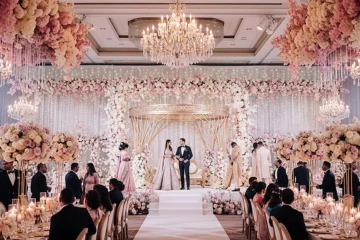
Incorporate your brand colors into the floral arrangements and lighting design. Lighting is one of the most underutilized branding tools. By using specific color temperatures and gobo projections, you can wash a room in your brand palette without a single printed sign. When signage is necessary, prioritize bespoke materials. Use brushed brass, reclaimed wood, or frosted glass for signage rather than standard foam board. These materials reflect the quality of the brand and feel like permanent, intentional installations rather than temporary party decorations.
Immersive Brand Engagement
Premium events should strive to make the brand a participant in the guest experience. This is achieved through sensory branding—engaging the sense of smell, sound, and taste to reinforce the event identity.
Scent branding is a subtle but powerful technique. By using a signature scent throughout the venue, you create a memory anchor that guests will associate with the event long after they leave. Soundscapes are equally important; curate a playlist or a live musical performance that matches the brand’s energy, whether that is high-octane luxury or quiet, intellectual intimacy.
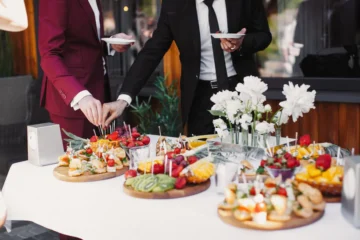
The catering program should also be viewed as an extension of the brand. If your event brand is built on sustainability, ensure that every ingredient is locally sourced and that the presentation highlights these origins. If the brand represents innovation, serve food that utilizes modern culinary techniques. When every element of the event—from the scent in the air to the music in the background—is aligned with the brand identity, the event feels authentic and highly professional.
Utilizing Digital Assets in a Physical Space
Even in the most traditional, analog settings, digital branding plays a critical role. However, the execution must be seamless. Avoid large, distracting television screens unless they are integrated into the design. Instead, look for ways to incorporate digital elements that feel like part of the environment.
High-resolution projection mapping can turn a static wall into a dynamic brand backdrop. Interactive installations, such as touchless kiosks that provide personalized information or digital guest books, allow for engagement without cluttering the space. Ensure that your event website and any mobile applications used during the event match the design language of the physical space exactly. This creates a bridge between the physical and digital, making the brand feel omnipresent but never invasive.
The Role of Staff as Brand Ambassadors
Your staff are the human face of your brand. In a premium gathering, their demeanor, appearance, and knowledge are part of the branding package. Invest in uniforms that complement the event’s design language. Whether the staff is dressed in crisp, minimalist black or custom-designed attire that reflects the event theme, their presence should feel like an intentional design choice.
Beyond appearance, train your staff to understand the narrative of the event. They should be able to articulate the brand story to guests if asked. A server who knows the story behind a signature cocktail or the reason a specific ingredient was chosen is a much more effective brand ambassador than a static brochure. This level of service transforms the brand from an abstract concept into a living, breathing reality for the guest.
Frequently Asked Questions
How can I effectively rebrand a venue that has a strong existing aesthetic?
The key is to work with the architecture rather than against it. Use lighting to alter the color palette of the room or install temporary, non-permanent structures that hide conflicting elements while highlighting the existing beautiful features. Focus on layering your branding onto the venue through soft goods like custom drapery or rugs.
How do I measure the success of an event branding strategy?
Success can be measured through attendee feedback and social media sentiment. If guests consistently reference the “vibe” or “feel” of the event, your branding has been successful. Additionally, track the number of organic social media posts that include your specific brand hashtags or visual elements, as this indicates high engagement.
Is it appropriate to use logo-heavy merchandise at a luxury event?
Generally, no. Premium gatherings benefit from logo-light branding. If you want to provide favors or gifts, focus on high-quality items that feature the brand’s aesthetic or a subtle monogram rather than a large, prominent logo. The goal is for the item to be something the guest wants to use in their daily life.
How can I maintain branding consistency during a multi-day event?
Consistency is maintained through a strict style guide. Ensure that every department—from catering to décor and audiovisual—has access to the same design assets. Conduct daily walkthroughs to ensure that signage has not moved and that lighting remains at the intended levels throughout the entire duration of the event.
What is the best way to handle event sponsors while maintaining a premium look?
Integrate sponsors thoughtfully. Instead of standard banners, ask sponsors to fund experiential elements that naturally include their branding. For example, a sponsor could fund a specific lounge area, a unique bar station, or an interactive activity. This provides value to the guest while integrating the sponsor’s brand into the event narrative.
Can minimal branding actually hurt an event’s recognition?
Minimal branding only hurts if it is invisible. The key is to be intentional. If you choose to be minimal, you must ensure that the quality of every other element is exceptionally high. If the experience itself is extraordinary, guests will remember the host. The brand is the signature that tells them who was responsible for that extraordinary experience.
How early should the branding plan be finalized?
Ideally, the brand identity should be finalized alongside the event concept. This allows you to integrate the branding into every logistical decision, from the venue selection to the menu planning. Waiting until the final weeks to focus on branding often leads to last-minute, low-quality add-ons that clash with the event’s prestige.