
Global Destination Wedding Photography Location Ideas
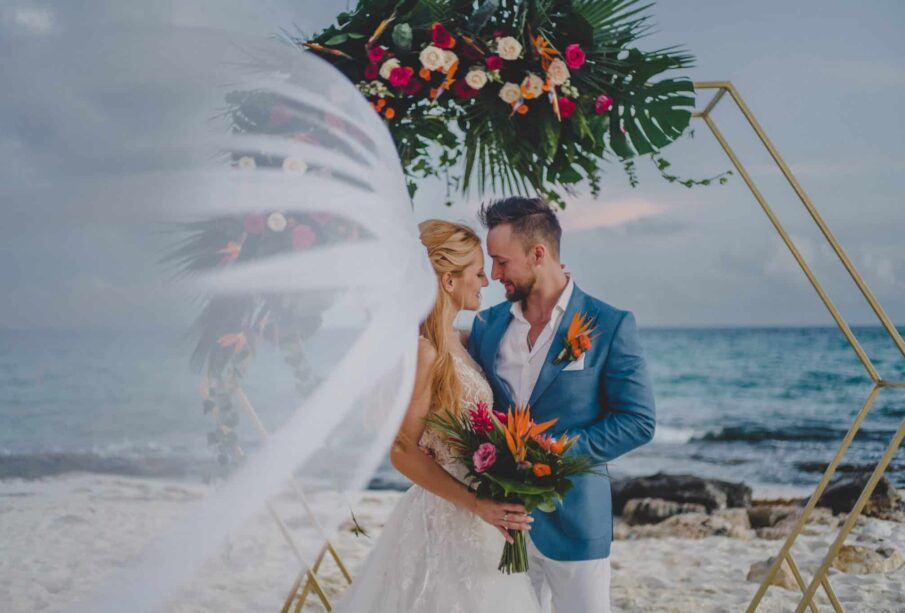
Choosing the perfect location for a destination wedding involves balancing the logistics of the event with the visual potential of the environment. The backdrop of your wedding frames your memories and sets the visual tone for your entire celebration. From sun-bleached coastal cliffs to historic European estates and lush tropical sanctuaries, the world offers diverse settings that can match any aesthetic vision.
The right location acts as a natural canvas, requiring minimal intervention to produce striking imagery. When selecting a site, professional photographers consider lighting quality, architectural depth, and structural textures. The following locations provide some of the best geographic landscapes and historical architecture for timeless wedding photography.
European Elegance and Historical Architecture
Europe remains a premier choice for couples seeking historical depth, refined architecture, and dramatic landscapes. The combination of old-world charm and distinct seasonal lighting provides endless creative opportunities for formal and editorial wedding portraits.
Santorini, Greece
The Cycladic architecture of Santorini offers an instantly recognizable aesthetic defined by clean lines and high contrast. Whitewashed buildings cascade down volcanic cliffs, providing geometric shapes that contrast sharply with the deep blue of the Aegean Sea.
-
Best Photography Spots: The blue-domed churches of Oia, the quiet alleys of Imerovigli, and the rugged, sun-bleached paths near the caldera edge.
-
Lighting Advantage: The island is world-famous for its golden hour, where the setting sun reflects off the white walls, creating a soft, warm glow that serves as a natural bounce light for portraits.
Tuscany, Italy
Tuscany provides a softer, more rustic version of European luxury. The landscape consists of rolling hills, ancient vineyards, and avenues lined with cypress trees. This setting is ideal for couples looking for an organic, romantic, and under-stated elegance.
-
Best Photography Spots: Renaissance villas in the Val d’Orcia, historic stone courtyards, and open vineyard paths at sunset.
-
Lighting Advantage: The Tuscan mist in the early morning offers a diffused, ethereal quality, while the late afternoon light rakes across the landscape, highlighting the rich textures of stone and soil.
The Amalfi Coast, Italy
For high-drama coastal romance, the Amalfi Coast combines sheer mountain cliffs with pastel-colored fishing villages clinging to the rock face. The vertical nature of this landscape adds immense depth and scale to wide-angle photographs.
-
Best Photography Spots: The cascading streets of Positano, the cliffside gardens of Villa Cimbrone in Ravello, and wooden speedboats out on the open water.
-
Lighting Advantage: High coastal cliffs offer pockets of dramatic open shade during midday, which protects skin tones from harsh sunlight while maintaining a brilliant blue water background.
Tropical Parandises and Coastal Escapes
For couples drawn to natural elements, moving water, and organic textures, tropical destinations offer a relaxed yet visually stunning environment. The key to successful photography in these regions lies in utilizing the natural flora and the expansive horizons of the coastline.
Bali, Indonesia
Bali provides a rich tapestry of textures, combining volcanic black sand beaches, tiered emerald rice paddies, and ancient stone temples. The island carries an organic, spiritual energy that translates beautifully into candid, documentary-style imagery.
-
Best Photography Spots: The dramatic clifftops of Uluwatu, the lush jungle ravines of Ubud, and the misty water temples in the highlands.
-
Lighting Advantage: High atmospheric humidity creates soft, diffused lighting conditions even during brighter parts of the day, softening harsh lines and enhancing the saturation of green foliage.
Maui, Hawaii
Maui offers diverse microclimates within a relatively small geographical footprint. Couples can shoot on lava rock beaches in the morning and inside deep, misty rainforests by afternoon. The scale of the volcanic mountains against the Pacific Ocean provides immense natural grandeur.
-
Best Photography Spots: The ironwood forests of Kapalua, the rugged black lava rock points at Makena, and the expansive golden sands of Wailea.
-
Lighting Advantage: Frequent trade winds clear the air of dust, resulting in incredibly crisp light, deep blue skies, and highly vibrant sunset gradients.
Cultural Grandeur and Royal Heritage
Some couples want their wedding imagery to convey majesty, historical power, and intricate craftsmanship. Destinations that feature preserved royal architecture provide a level of structural detail and scale that modern venues cannot replicate.
Udaipur, India
Often referred to as the city of lakes, Udaipur features monumental stone palaces rising directly out of calm waters. The architecture is defined by intricate carvings, grand courtyards, dome structures, and ornamental balconies.
-
Best Photography Spots: The majestic lakefront terraces of the City Palace, boat portraits on Lake Pichola, and the symmetrical stone pavilions of Jag Mandir.
-
Lighting Advantage: The presence of large bodies of water creates beautiful, shimmering reflections on palace facades, filling shadows with soft, moving light.
Jaisalmer, India
Located in the heart of the Thar Desert, Jaisalmer is constructed almost entirely out of yellow sandstone, earning it the nickname of the golden city. This location provides a minimalist, warm-toned palette that feels raw, dramatic, and historic.
-
Best Photography Spots: The sandstone battlements of Jaisalmer Fort, private desert dunes at golden hour, and carved stone archways.
-
Lighting Advantage: The monotone environment acts as a massive neutral backdrop, making the colors of wedding attire pop beautifully against the warm sand and stone.
Key Technical Factors for Destination Wedding Photography
To ensure your destination wedding album turns out flawless, certain environmental variables must be managed properly.
Managing Midday Sunlight
In tropical or coastal destinations, the sun can become incredibly harsh between 11 AM and 3 PM. Photographers look for open shade under palm trees, architectural overhangs, or utilize the directional shade created by cliffs and tall structures to keep subjects comfortable and avoid harsh facial shadows.
Understanding Local Geography
Every location possesses unique geographic features that impact lighting. For example, a beach facing east will provide stunning sunrise imagery but will drop into deep shade long before the actual sunset occurs if backed by tall cliffs or buildings. Always map your venue layout against the path of the sun.
Wind and Elements
Coastal destinations like Santorini or Maui are prone to sudden, heavy winds. While a strong breeze can create beautiful movement in long veils and lightweight dress fabrics, it requires careful positioning to ensure hair and attire look intentional rather than disheveled.
Frequently Asked Questions
How do we handle traveling with wedding attire to avoid damage?
Always carry your wedding gown or suit as a carry-on item on flights. Most commercial airlines allow you to hang a garment bag in the first-class closet if you ask politely upon boarding. Never pack your primary wedding attire in checked luggage, as the risk of loss or severe creasing is too high. Once you arrive at your destination, immediately hang the garments and coordinate with your resort for professional steaming services.
Should we hire a local photographer or fly one out to the destination?
Flying out a photographer whose style you love ensures consistent communication, pre-wedding planning ease, and a shared understanding of expectations. A photographer traveling with you is completely dedicated to your event timeline without local distractions. However, if you hire a local photographer, you gain someone with native knowledge of secret spots, seasonal weather shifts, and local language barriers, though communication prior to arrival may require more effort due to time zone differences.
What happens if it rains during an outdoor destination shoot?
Professional destination photographers always prepare a secondary indoor or sheltered location plan. In tropical locations, rain showers are often heavy but brief. Embracing the weather can also yield incredibly unique, high-drama images using clear umbrellas and backlighting to capture raindrops. Clear communication with your venue regarding backup covered spaces is essential.
How do we secure the proper permits for shooting in public international spaces?
Permit requirements vary heavily by country and specific municipality. National parks, historical ruins, and public beaches often require commercial filming permits that must be secured months in advance. Your photographer or local wedding planner should research these laws. Attempting to shoot without a permit in high-security historical areas can result in fines or being asked to leave mid-session.
How many days before the wedding should we arrive for portrait sessions?
It is highly recommended to arrive at least three days prior to the first major wedding event. This buffer allows your body to adjust to time zone differences, overcoming visible jetlag and fatigue before you step in front of the camera. It also provides a window for an in-person site walkthrough with your photographer to verify lighting conditions and final locations.
How do changing tides affect beach wedding photography?
Tides can completely transform a coastal landscape in a matter of hours. A wide beach during low tide can completely disappear at high tide, pushing waves right up to cliff walls or resort barriers. Your ceremony timing and portrait sessions must be cross-referenced with local tide charts to ensure safety and preserve the shoreline areas needed for your desired photos.