Weddings: Celebrating Love, Tradition, and New Beginnings
Weddings are one of the most profound and cherished milestones in human life. They mark not just the union of two individuals, but the beginning of a shared journey filled with love, growth, and mutual discovery. Though each wedding is unique—reflecting the personalities, cultures, and aspirations of the couple—the core essence of a wedding remains unchanged: it is a celebration of love, commitment, and the promise of a future together. From the moment the question is asked to the day the vows are exchanged, the wedding journey is rich with meaning, tradition, and personal expression.
Over time, weddings have evolved from simple ceremonies into elaborate celebrations, each with its own set of rituals, styles, and customs. While some traditions remain steadfast, others have adapted to reflect changing times, making weddings both timeless and contemporary. In this article, we will explore the multifaceted nature of weddings—how they have evolved, what they represent, and why they continue to be such a significant occasion in people’s lives.
The Historical Significance of Weddings
The institution of marriage dates back thousands of years, with its origins rooted in the need to formalize and legitimize relationships. In ancient civilizations, weddings were not just about love; they often served political, economic, or social purposes. In early Roman times, for instance, weddings were seen as contracts between families, designed to strengthen alliances and secure financial stability. Similarly, in medieval Europe, marriage was a means of consolidating power, wealth, and land. The concept of love as the central component of marriage, while present in some societies, became more prominent in the 18th and 19th centuries, particularly in Western cultures.
Over time, the rituals and traditions surrounding weddings began to evolve, incorporating religious, cultural, and regional influences. The Christian wedding ceremony, with its vows and exchange of rings, became a dominant model in many Western societies. In contrast, other cultures, from Hindu to Jewish to Islamic, have their own rich wedding traditions, which reflect their unique beliefs, practices, and customs.
Today, weddings are seen as both deeply personal and inherently social. While the wedding itself has often become a grand event, the meaning remains rooted in the union of two people. A wedding, in its truest form, is not just a celebration for the couple but for their families and communities as well. It is an occasion to bring together loved ones, to witness and honor the bond between two individuals, and to create memories that will last a lifetime.
The Elements of a Modern Wedding
Every wedding is different, but there are key elements that most weddings share, which help create a cohesive and meaningful experience for everyone involved. These elements—ranging from the venue to the dress, the vows to the reception—combine to craft a celebration that is reflective of the couple’s vision and values. Below, we explore some of the most iconic elements of a modern wedding:
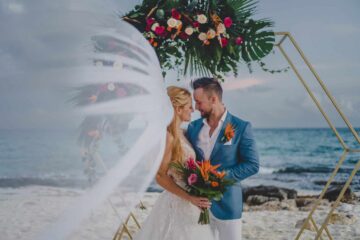
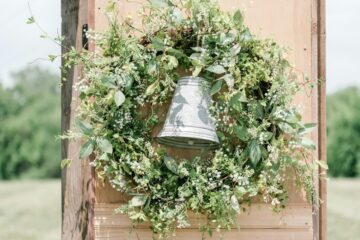
1. The Venue: The choice of venue sets the stage for the entire wedding. From historic churches and grand ballrooms to intimate gardens or rustic barns, the venue speaks volumes about the couple’s style and the tone of the celebration. The location often influences other decisions, such as the dress code, the decor, and the type of ceremony. For example, a beach wedding might inspire a laid-back, casual affair, while a traditional church wedding typically leans towards formality and elegance. Regardless of the venue, the environment should resonate with the couple’s personalities and values.
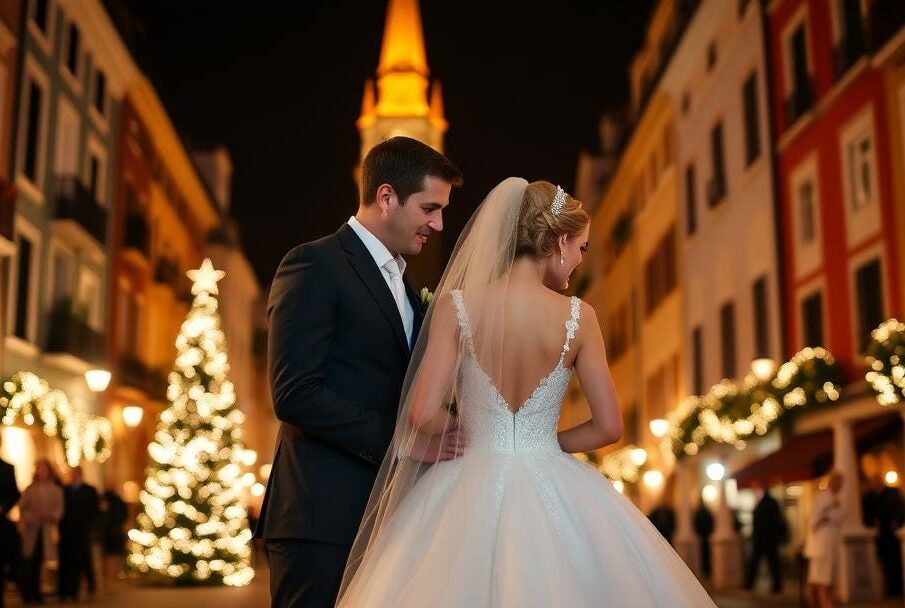
2. The Wedding Dress: The wedding dress holds profound significance in many cultures and is often the focal point of the wedding day. Whether it’s a classic ballgown, a sleek modern design, or a culturally inspired outfit, the dress symbolizes purity, beauty, and the beginning of a new chapter in life. The tradition of wearing white, popularized by Queen Victoria in the 19th century, continues to be a staple in Western weddings, though many brides now opt for different colors or custom designs that reflect their personal tastes. The wedding dress is more than just clothing—it is a representation of dreams, expectations, and identity.
3. The Ceremony: The wedding ceremony is the heart of the celebration, where the couple officially declares their commitment to one another. It typically includes the exchange of vows, the giving of rings, and a declaration of marriage, all of which vary by tradition. In Christian ceremonies, a priest or officiant often presides, offering prayers and blessings. In Hindu weddings, the couple may walk around a sacred fire, symbolizing their vows. No matter the structure, the ceremony marks the sacred moment when two lives are united. It is a profound and intimate exchange, not only of words but of emotions and shared promises.
4. The Reception: After the vows have been exchanged, the wedding reception begins—a jubilant celebration of love, joy, and togetherness. The reception includes everything from the first dance to the cutting of the cake, toasts from loved ones, and dancing into the night. This is the moment when the couple can relax, celebrate, and enjoy the company of family and friends. Whether it’s a lavish affair with an elaborate multi-course dinner or a simple cocktail gathering, the reception is an opportunity to reflect the couple’s personality and vision. The decor, food, music, and atmosphere all contribute to the festive spirit and collective joy.
5. The Traditions: Every wedding is steeped in tradition—some universal, some unique to the couple or their cultural background. These traditions can include the wearing of something old, new, borrowed, and blue, the tossing of the bouquet, or cultural dances and rituals. While some traditions are ceremonial, others carry symbolic meaning, such as the exchanging of rings, which represents eternal love, or the lighting of a unity candle, symbolizing the joining of two families. These traditions infuse the wedding day with meaning and provide a sense of continuity, linking the couple’s celebration with generations before them.
Personalization: Making the Day Truly Yours
While weddings have long been marked by tradition, there has been a noticeable shift in recent years towards personalizing the experience to better reflect the couple’s unique love story and values. From the venue to the decor, the food to the entertainment, couples are embracing creativity and individuality, ensuring that their weddings are as distinctive as their relationship.
1. Custom Vows: While many couples still choose to recite traditional vows, increasingly, couples are opting to write their own. Personalized vows allow each partner to express their love, commitment, and hopes for the future in their own words. This personal touch makes the ceremony even more meaningful, as it reflects the couple’s unique bond and shared journey.
2. Themed Weddings: Many couples choose to infuse their wedding with a specific theme that speaks to their shared interests or passions. Whether it’s a vintage-style wedding, a travel-inspired celebration, or a nod to a favorite movie or literary work, themed weddings can create a cohesive atmosphere and a memorable experience for guests.
3. Non-Traditional Elements: Some couples break away from convention altogether, choosing to forgo certain traditional aspects like the formal reception or even the bridal party. Alternative options, such as destination weddings, elopements, or casual, intimate ceremonies, are becoming more popular, as couples look for more relaxed and personal ways to celebrate their union.
The Symbolism and Future of Weddings
Weddings are about more than just a legal contract—they are a manifestation of love, trust, and partnership. They represent a commitment to grow, to support one another, and to build a life together. The symbolism of a wedding transcends its formalities, reminding us of the power of connection and the importance of shared experiences.
As society continues to evolve, so too will the concept of weddings. While traditions and customs will remain a cornerstone of wedding culture, couples today are reimagining what their big day looks like. The rise of sustainability, inclusivity, and digital technology is shaping a new era of weddings, where the focus is not just on the extravagance of the celebration but on authenticity, accessibility, and meaningful connections.
In the end, the wedding remains a deeply personal journey—an expression of who we are, who we love, and the life we hope to build together. Regardless of how weddings change, they will always serve as a powerful reminder of the transformative nature of love and the beauty of shared moments. Whether grand or simple, traditional or contemporary, a wedding is a celebration of life, hope, and the infinite possibilities of a future together.