
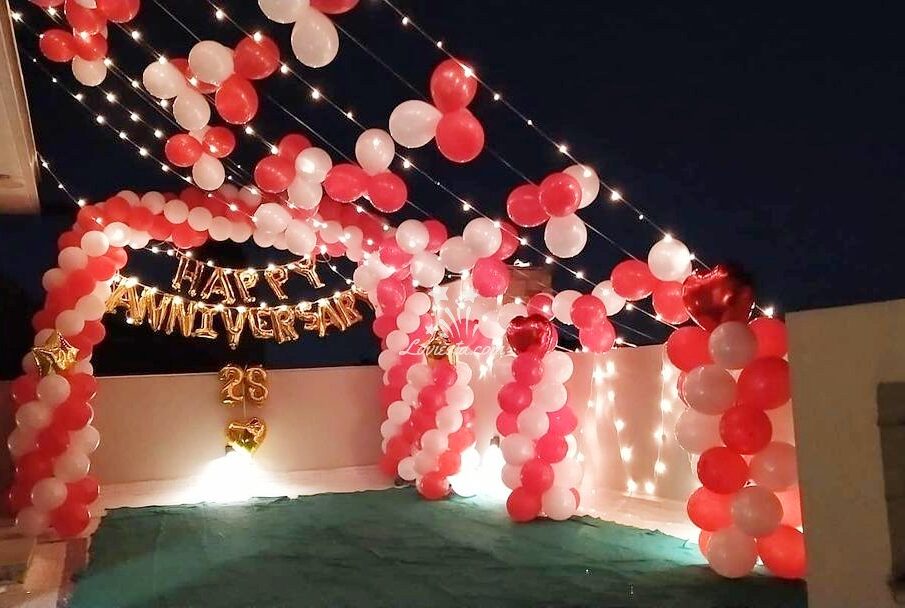
Decorations are not merely adornments; they are an intrinsic part of the fabric that gives life to a space, an event, or an experience. Whether it’s the grandeur of a wedding, the warmth of a holiday gathering, or the minimalist elegance of a corporate office, decorations play a pivotal role in transforming ordinary spaces into extraordinary environments. They create moods, evoke emotions, and often become lasting symbols of cherished memories. In essence, decorations have the ability to shape how we experience a moment, influencing everything from our perception of time and place to our connections with those around us. But what exactly makes decorations so powerful, and how have they evolved over time to reflect cultural trends, personal preferences, and environmental consciousness?
The Emotional and Psychological Impact of Decorations
Decorations do far more than enhance the visual appeal of a space—they engage our senses, stir emotions, and trigger memories. A well-decorated room or event can create a sense of harmony, comfort, or excitement. The choice of colors, textures, and materials can influence how we feel and interact within a space. For instance, warm tones like reds and oranges often evoke feelings of coziness and energy, while cooler shades like blue and green can create a calming, serene atmosphere. The strategic use of lighting can transform a space from bright and lively to intimate and cozy, simply by adjusting the intensity or color of the light.
Moreover, decorations can be an expression of personal or cultural identity. In homes, for example, the way people decorate their spaces can reflect their personality, values, and aesthetic preferences. The placement of furniture, the selection of artwork, and the choice of accessories all speak volumes about the inhabitants and the atmosphere they wish to create. On a larger scale, public spaces, festivals, and events also employ decorations to convey a particular mood or message, creating an environment that resonates with collective emotions and shared experiences.
The Evolution of Decorations: From Simple Adornments to Curated Environments
The art of decoration dates back thousands of years, evolving alongside human civilization. In ancient times, decorations were often symbolic, reflecting the beliefs, customs, and rituals of a particular culture. The Egyptians, for example, used intricate patterns, hieroglyphics, and symbolic objects to decorate tombs and temples, reinforcing their spiritual beliefs and their connection to the divine. In medieval Europe, the decorative arts were employed in both religious and secular settings, with elaborate tapestries, stained glass windows, and frescoes adorning churches and castles. These early forms of decoration were not only artistic but also carried profound cultural and religious significance.
As time passed, decoration became more accessible to a wider range of people, moving beyond the elite to the broader populace. The rise of industrialization in the 19th century brought with it the mass production of decorative items, allowing for a democratization of decor. Furniture, textiles, and home accessories that were once reserved for royalty or the wealthy were now available to middle-class families, allowing them to personalize their living spaces in new ways.
The 20th century saw a further diversification in the ways people decorated. The modernist movement, with its focus on clean lines and functional design, challenged traditional notions of ornamentation. In contrast, the postmodern era embraced eclecticism, mixing styles and eras to create unique, individualized spaces. The rise of interior design as both a profession and a form of art led to the proliferation of design trends, from mid-century modern to bohemian chic, Scandinavian minimalism to industrial lofts. Today, people have more freedom than ever to choose the decorations that speak to them, blending various styles to create rooms that are not only functional but also deeply personal.
The Role of Decorations in Special Occasions
While decorations are important year-round, they take on an especially powerful role in marking special occasions. Birthdays, weddings, anniversaries, holidays—these are moments that are not only meant to be celebrated but also memorialized. Decorations help define the theme, set the tone, and enhance the atmosphere of the occasion.
1. Weddings: Weddings are perhaps the most elaborately decorated of all events, as they are steeped in tradition and symbolism. The venue, whether it’s a church, a garden, or a ballroom, is often transformed with flowers, lights, drapery, and other adornments that reflect the couple’s personality and style. From the flowers that adorn the aisle to the centerpieces on the tables, every detail is carefully chosen to create a magical, unforgettable setting. The decorations at a wedding are not just aesthetic; they represent the couple’s journey, their love, and their shared vision for the future.
2. Holiday Decorations: Holiday decorations, such as those for Christmas, Halloween, or Easter, hold a unique place in many cultures. These decorations are not only festive but also carry deep cultural and religious meanings. Christmas trees, wreaths, and lights evoke a sense of joy and unity, while Halloween decorations—whether spooky or whimsical—allow for creativity and fun. Similarly, the vibrant decorations of Diwali or the lanterns of the Lunar New Year reflect the cultural richness and traditions that are celebrated during these holidays. The act of decorating for holidays has a way of bringing people together, creating shared rituals and memories that span generations.
3. Birthdays and Anniversaries: Whether it’s a small family gathering or a large party, birthday and anniversary decorations are a way to personalize the celebration. Balloons, banners, cake toppers, and themed party favors add an extra layer of joy to the occasion, making guests feel special and appreciated. For milestone events, such as a 50th anniversary or a significant birthday, decorations can serve as a tribute to the years gone by, honoring the experiences and memories that have shaped the celebrants.
Sustainable and Meaningful Decorations: The Shift Toward Conscious Choices
In recent years, there has been a significant shift in how we approach decoration. As people become more environmentally conscious, there is growing interest in sustainable and eco-friendly decor. From using recycled materials to opting for non-toxic paints and fabrics, many decorators and individuals are finding ways to reduce waste and their environmental impact while still achieving beautiful results.
Furthermore, there is a growing trend toward meaningful and intentional decorations. Instead of opting for mass-produced items, people are increasingly choosing decorations that tell a story or hold personal significance. Vintage or heirloom pieces, handmade crafts, and locally sourced materials are gaining popularity, as they not only add character to a space but also align with a more mindful approach to decorating. This move toward sustainability and meaning reflects a broader cultural shift toward authenticity, individuality, and a deeper connection with the world around us.
The Future of Decorations: Technology and Personalization
As we look toward the future, the world of decorations is poised for even more innovation. Advances in technology are already making their mark, with augmented reality and smart home devices allowing for interactive and dynamic environments. Imagine walking into a room where the decorations change with your mood or the season, where digital displays showcase personalized messages or imagery, and where lighting adapts to enhance the ambiance based on real-time feedback. These technologies, though still in their infancy, have the potential to revolutionize how we experience decoration, making it more immersive and responsive to our needs.
Moreover, personalization is likely to continue to be a driving force in the world of decorations. As people seek more meaningful and customized experiences, the demand for decor that reflects one’s unique tastes, values, and memories will only grow. The future of decoration lies in creating environments that are not only visually striking but also emotionally resonant, spaces where every detail, every color, and every texture speaks to the individual’s story.
Conclusion: The Enduring Power of Decoration
Decorations are far more than just embellishments. They are the artful expressions of our emotions, cultures, and aspirations. Whether in our homes, at special events, or in public spaces, they shape how we experience the world and how we connect with others. They evoke nostalgia, create joy, and mark milestones. As our world continues to evolve, so too will the ways we decorate, embracing new technologies, sustainability, and greater personal expression. But one thing will always remain constant: the power of decoration to transform a space, a moment, or a memory into something truly extraordinary.


A Mission of fashion Power in Home Decorating
July 27, 2019
Fish Aquarium Decorations
April 27, 2019
Comments are closed.
-

Memorable Ways to Share Your Pregnancy News
October 31, 2024 -

How to Plan Serving Beverages on Your Wedding Day Party?
January 25, 2020 -

The Wedding Budget – Where you can Spend where to reduce The Wedding
February 18, 2019
Latest Posts
-

-

-

Global Destination Wedding Photography Location Ideas
April 6, 2026 -

-

Recent Posts
- The Architecture of Awe: Event Planning Ideas for High-End Experiences June 6, 2026
- Celebrating Milestones: Sophisticated Anniversary Party Entertainment for Adults April 13, 2026
- Global Destination Wedding Photography Location Ideas April 6, 2026
- The Architecture of Prestige: Event Branding Techniques for Premium Gatherings March 25, 2026
- What 38 Years of Marriage Taught Reeve Waud About Partnership March 17, 2026
- Anniversary Table Styling for Elegant Gatherings March 2, 2026
Categories
- Anniversary (8)
- Catering (7)
- Ceremony (5)
- Decorations (7)
- Events (6)
- Invitations (6)
- News (4)
- Venues (8)
- Wedding (75)