Catering Presentation Styles That Impress Guests
The success of a catered event is often measured by what the guests see before they take their first bite. While flavor is paramount, the visual presentation of food acts as the opening act of a culinary performance. In a world where aesthetics and shared experiences dominate social interaction, the way food is served can transform a simple meal into a memorable occasion. Mastering the art of catering presentation requires a blend of creativity, logistical precision, and an understanding of how visual cues influence the overall guest experience.
The Power of Visual Storytelling in Catering
Food presentation is an extension of your event theme. It communicates the level of care and sophistication you wish to convey. Whether you are hosting a formal gala or a relaxed corporate luncheon, the presentation style sets the rhythm for the entire reception. When guests see a thoughtfully arranged table, they subconsciously prepare for a high-quality experience. This creates anticipation, which is a critical component of culinary satisfaction.
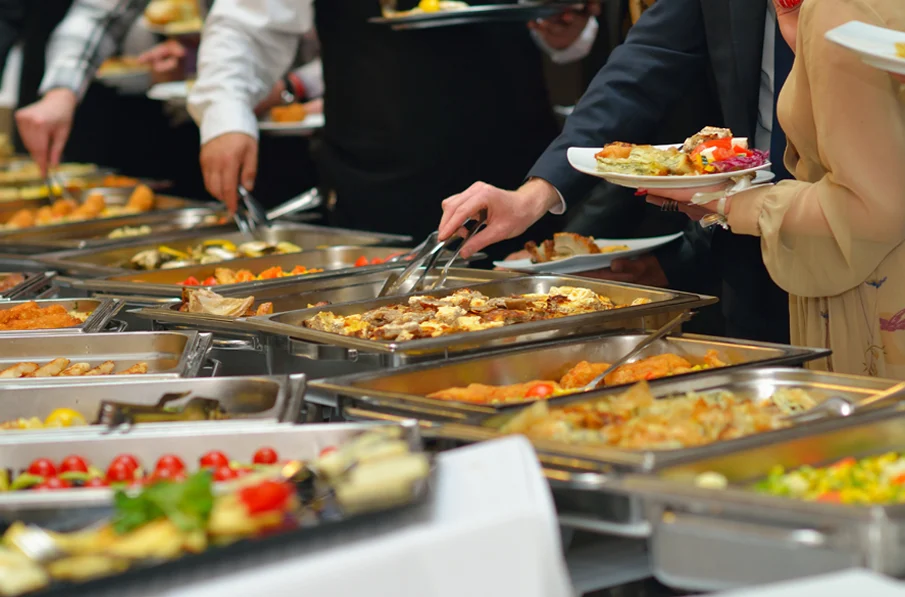
To impress guests, move beyond the standard chafing dish and hotel pan. These utilitarian items have their place in logistics, but they rarely contribute to a stylish atmosphere. Instead, look toward presentation styles that integrate the food into the environment itself, making the dining experience feel cohesive and intentional.
Tablescapes as Culinary Stages
The most effective way to elevate catering is to treat the food display as a landscape. A well-designed tablescape uses varying heights, textures, and depths to draw the eye across the display. Using risers, crates, or marble slabs to elevate specific dishes creates a dynamic look that feels curated rather than cluttered.
-
Height Variations: Use wooden blocks or vintage cake stands to lift certain platters. This allows guests to see the full range of options at a glance and creates a more professional, layered aesthetic.
-
Textural Contrast: If you are serving artisanal breads, do not just pile them on a platter. Use a burlap runner or a slate board to add a rustic, tactile element. Pair metallic serving utensils with wooden boards for a modern yet organic contrast.
-
Themed Accents: Incorporate elements that align with the event theme. If it is a coastal-themed reception, use seashells or driftwood as subtle accents around the serving platters. Keep these elements clean and food-safe to maintain a professional standard.
Elevated Plated Service
While buffet-style displays offer abundance, nothing says luxury quite like perfectly executed plated service. The key to impressing guests with plated meals is precision and space. A plate that is too full looks chaotic, while one that is too empty looks stingy. The “white space” on a plate is just as important as the food itself.
Consider the composition of each dish. Arrange components in odd numbers, as the human eye naturally finds groups of three or five more visually pleasing and balanced. Use sauces to add color and intentional lines, but avoid random splatters that look messy. Instead, use a squeeze bottle to create a clean stroke or a precise dotting technique that frames the protein or vegetable center.
Temperature is also a form of presentation. If a dish is meant to be served hot, ensure the plates are pre-warmed. If it is a chilled appetizer, using chilled slate or glass serving vessels signals to the guest that the kitchen is paying attention to every detail of their consumption experience.
Interactive Food Stations
Interactive stations are the pinnacle of modern event catering. They remove the barrier between the culinary team and the guests, turning the act of eating into a social activity. These stations are highly impressive because they demonstrate freshness and allow for customization.
A live carving station or an assembly-line station—such as a taco bar with fresh toppings or a custom pasta station—engages the senses. Guests can hear the sizzle of the pan, smell the fresh herbs, and see the ingredients being handled. This transparency builds trust and excitement. To keep these stations stylish, focus on the equipment. Use clean, industrial-chic warming lamps rather than outdated silver versions. Ensure the chef behind the station is dressed in a crisp, clean uniform that mirrors the formality of the event.
The Art of Vertical Displays
Vertical displays are a brilliant way to save table space while maximizing visual impact. This is particularly effective for hors d’oeuvres or dessert buffets. Using tiered structures allows you to pack a large number of items into a small footprint without making the table look cramped.
Consider using wall displays for skewers or “floating” displays for delicate pastries. A pegboard wall, for example, can be customized to hold glass jars filled with specialty items or small cones with charcuterie. This approach is highly modern and frequently shared on social media, which provides an extra layer of value for guests who enjoy documenting their experiences. It transforms the catering into an interactive installation piece.
Thoughtful Garnish and Color Theory
Color is the most immediate sensory trigger in food. If a display looks monotone, it will likely be perceived as bland, even if the flavor profile is exceptional. When planning your menu, ensure that every dish has at least one pop of vibrant color.
-
Fresh Herbs: Beyond just parsley, use microgreens, cilantro flowers, or chive blossoms to add a fresh, garden-to-table aesthetic.
-
Edible Flowers: Nasturtiums, pansies, or violas can transform a simple salad or dessert platter into a piece of art.
-
Natural Elements: Use whole ingredients like unpeeled citrus, cinnamon sticks, or star anise to hint at the flavor profiles present in the dish.
Remember the rule of contrast. If you are serving a white fish, serve it on a dark slate board or a colorful ceramic plate. If the food is light and pastel, use dark linens or serving vessels to make the colors pop.
Minimalist Serving Vessels
In contemporary catering, less is often more. The move toward minimalist serving vessels—such as bamboo boats, mini mason jars, or slate tiles—has replaced the traditional heavy ceramic platter. These vessels are not only aesthetically pleasing but also functional. They provide the perfect portion size for a reception, preventing the mess that often comes with guests attempting to navigate large plates while standing and socializing.
When choosing these vessels, consider the ergonomics. Can a guest easily hold the dish in one hand while holding a wine glass in the other? If the answer is no, the presentation is failing the guest. Impressive catering is ultimately about making the guest feel comfortable and catered to, not just providing a beautiful view.
Frequently Asked Questions
How can I maintain the visual appeal of a buffet over a long period?
The secret is constant replenishment and rotation. Assign a staff member to specifically monitor the displays. They should wipe down edges, replace wilted garnishes, and swap out platters that look depleted before the food levels drop too low.
What is the best way to handle food labels in a stylish manner?
Avoid printed index cards. Use small, elegant acrylic stands with calligraphy, or print labels on high-quality cardstock that matches your event stationery. You can also place the name of the dish on a small slate stone in front of the platter.
Is it better to have many small stations or one large buffet?
For large guest counts, many small stations are superior. They prevent lines, encourage movement throughout the venue, and allow for a wider variety of presentation styles, which keeps the visual experience fresh for guests as they wander.
How do I incorporate seasonal themes into my catering presentation?
Use natural materials. In autumn, use pumpkins or gourds as part of the display. In spring, focus on light, airy textures and floral elements. Matching the environment of the season reinforces the quality and freshness of the food.
Should the servers’ uniforms match the catering presentation style?
Absolutely. The staff is part of the overall presentation. If your catering is ultra-modern and minimalist, the staff should wear sleek, monochrome uniforms. If the event is rustic, aprons or button-down shirts with rolled sleeves can create a more cohesive and authentic look.
What is the best way to display cold food without it looking unappealing?
Use crushed ice effectively. Instead of just dumping ice into a tray, ensure it is clean and uniform. Consider adding decorative elements like lemon slices or herbs into the ice if it fits the theme, or use chilled stone slabs that don’t require loose ice at all.
How do I make a dessert display stand out from the rest of the meal?
Desserts should be the grand finale. Use lighting to your advantage—a spotlight on a dessert table can make it feel like a centerpiece. Also, provide varied heights and use dramatic trays or stands to create a sense of occasion that distinguishes it from the savory courses.