
Event Planning Essentials for Luxury Celebrations
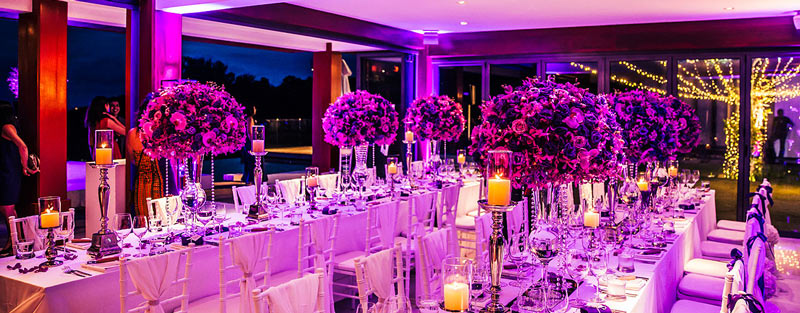
Hosting a luxury celebration requires a departure from standard event management practices. In the world of high-end events, the difference between a successful gathering and an unforgettable experience lies entirely in the details. Luxury is not defined by excess; it is defined by intentionality, precision, and the ability to anticipate needs before they are articulated. Whether planning a milestone anniversary, a corporate gala, or a private celebratory dinner, the foundation of a premium event is built upon a philosophy of curated excellence.
The Foundation of Intentional Design
Every luxury event begins with a cohesive vision. Before selecting a venue or finalizing a guest list, you must define the narrative of the celebration. What is the emotional takeaway for the guests? A luxury event should feel like a story unfolding, where every element contributes to a singular, harmonious theme. This design philosophy should guide every decision, from the weight of the paper used for the invitations to the specific lighting temperature during dinner.
Consistency is the hallmark of sophisticated planning. If the venue is historic, your design choices should honor that architecture rather than fight against it. If the venue is modern and minimalist, every decor piece should feel like an intentional sculpture within the space. Luxury is found in restraint, not clutter. By focusing on a few high-impact design choices rather than attempting to fill every corner of a room, you create a space that feels curated and expansive.
Venue Selection and Spatial Flow
The venue is the most significant logistical factor in any celebration, but for luxury events, it is also the first statement of intent. A premium venue should offer exclusivity, architectural interest, and impeccable service standards. However, the true art of venue management lies in understanding spatial flow.
A common pitfall in event planning is overcrowding. In a luxury setting, comfort is a non-negotiable metric. Guests should never feel bottlenecked, whether at the bar, in the restroom, or moving from the ceremony to the reception. Create distinct zones for different stages of the event. A cocktail hour should feel open and conducive to movement, while a dinner service should feel intimate and anchored. Use furniture placement to guide guest movement naturally. Thoughtful lounge setups—comprising high-quality, residential-style furniture—encourage guests to linger and socialize, preventing the stagnant feel of a standard banquet layout.
The Curated Guest Journey
Luxury hospitality is rooted in the concept of the guest journey. This begins the moment the invitation is received. For a premium celebration, digital communication is rarely sufficient. A physical invitation, crafted from high-quality materials with artisanal printing techniques like letterpress or foil stamping, sets the expectation for the event.
The journey continues upon arrival. The transition from the outside world into the event space should be seamless. Valet services, clear and elegant wayfinding, and a warm, personalized greeting ensure that guests feel valued from the start. Throughout the evening, the staff should serve as discreet facilitators of the experience. In high-end events, service should be invisible yet omnipresent. Glasses should be refilled, crumbs cleared, and technical issues resolved without ever interrupting the flow of conversation. This level of service is only possible through rigorous briefing and a deep understanding of the event timeline by every member of the hospitality team.
Culinary Excellence and Beverage Programs
In high-end events, the food and beverage program must transcend the traditional caterer-client relationship. It should be treated as a creative partnership. Avoid static menu templates. Instead, work with your culinary team to develop a menu that reflects the season, the location, and the spirit of the occasion.
Presentation is as vital as flavor. Move away from standard chafing dishes. Consider live cooking stations where chefs prepare elements of the meal, which adds an element of theater and ensures freshness. For beverages, a signature cocktail program should be bespoke, featuring artisanal spirits, fresh-pressed juices, and unique ingredients that reflect the event’s theme. When pairing wines or spirits, involve experts to guide the selection, ensuring that each pour enhances the meal. The goal is to provide a dining experience that feels like a multi-course tasting menu at a fine restaurant, executed for a large group with the same level of individual attention.
Lighting and Sensory Ambiance
Lighting is perhaps the most underrated tool in the luxury event planner’s arsenal. It dictates the mood, highlights key design elements, and flatters the guests. Standard overhead lighting is the enemy of ambiance. Instead, utilize a multi-layered lighting strategy.
-
Ambient Lighting: Use warm, dimmable washes to create a comfortable, inviting atmosphere.
-
Accent Lighting: Direct pin-spots onto centerpieces, artwork, or architectural features to create depth and visual interest.
-
Functional Lighting: Ensure pathways and buffet stations are clearly lit, but do so with subtle, indirect light sources that do not distract from the overall aesthetic.
In addition to lighting, consider the role of sound. A curated soundscape—whether it is a live jazz ensemble, a string quartet, or a carefully managed playlist—should evolve with the evening. During arrival, the music should be subtle and welcoming. As the evening transitions into dinner, it should remain low enough to facilitate conversation. Later in the evening, the tempo can increase, but it must always remain balanced.
Sustainability and Modern Luxury
Modern luxury is increasingly defined by consciousness. An event that is wasteful or environmentally irresponsible is no longer considered the height of sophistication. Incorporating sustainable practices is now an essential component of high-end planning.
Partner with caterers who prioritize local, seasonal sourcing, which reduces the carbon footprint and ensures superior flavor. Opt for rental companies that provide high-quality, reusable decor and tableware instead of relying on single-use items. If you are producing physical branding, choose materials that can be recycled or repurposed. By integrating these values into your planning, you signal to your guests that your event is not only stylish but also thoughtful and relevant to modern concerns.
Frequently Asked Questions
What is the most effective way to manage a luxury event budget?
Prioritize the elements that guests interact with most directly—food, drink, and ambiance. It is better to have a smaller, more refined selection of high-quality goods than a broad, mediocre one. Allocate your budget toward staff and expertise, as the execution often matters more than the raw materials.
How do I balance guest comfort with high-fashion decor?
Never sacrifice ergonomics for aesthetics. If a chair looks stunning but is uncomfortable, your guests will not be able to relax. Always test seating and table heights. The best luxury design is comfortable by default, allowing the beauty of the decor to be enjoyed fully.
Should I provide a dress code for a luxury celebration?
Yes. A clear dress code helps guests feel more at ease and ensures the atmosphere of the event is cohesive. Be specific in your wording—such as formal, black tie, or creative black tie—to avoid any confusion.
How do I handle last-minute changes without disrupting the event?
Hire an experienced event producer whose sole responsibility is managing the timeline and addressing crises. Having a dedicated lead on-site allows the host to remain focused on the guests while the logistics are managed behind the scenes.
Is it necessary to have a dedicated theme for a luxury event?
A theme does not have to be literal. It can be a color palette, a feeling, or a specific cultural influence. A refined theme creates a cohesive aesthetic that makes the entire event feel intentional.
What is the best way to handle gift-giving or favors?
Luxury favors should be subtle and meaningful. Think of high-quality, consumable items or gifts that reflect a personalized connection to the host. Avoid cheap souvenirs that will be discarded. Quality over quantity remains the guiding rule.
How can I ensure the privacy of a high-profile guest list?
Work with professional security personnel who are trained in discretion and hospitality. They should be able to manage access points and maintain security without making the guests feel uncomfortable or creating an overly militaristic atmosphere.


