
Catering: The Art of Culinary Excellence and Eventful Hospitality
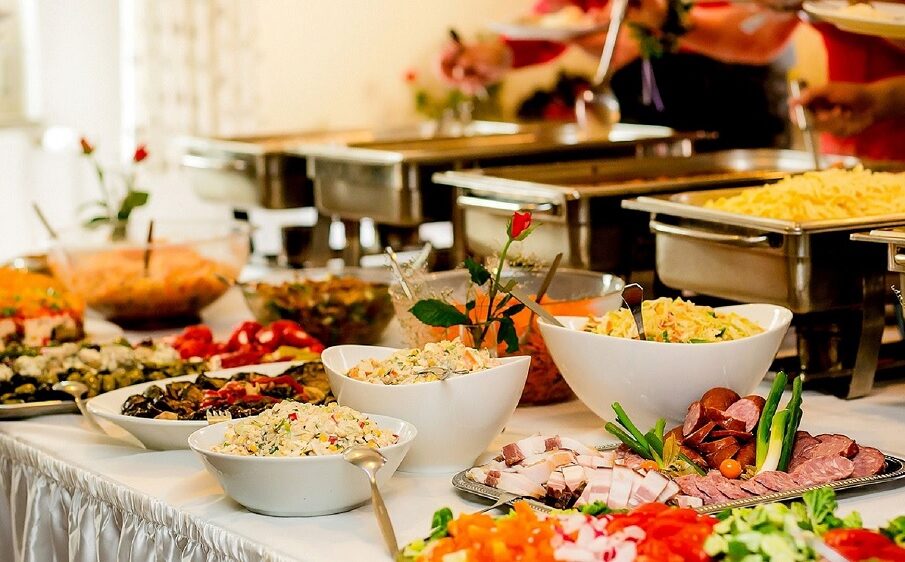
Catering is much more than just providing food and drinks for an event; it is the art of curating an unforgettable dining experience that elevates an occasion from the ordinary to the extraordinary. Whether it’s a grand wedding, a corporate gala, or a casual gathering among friends, catering is integral in shaping the ambiance, atmosphere, and overall success of an event. For many, food is a central part of social life, a way of connecting with others and marking special moments. A skilled caterer can take the mundane task of feeding a crowd and turn it into a work of culinary artistry, satisfying not only hunger but also the senses and emotions of those being served. But what exactly does catering entail, and how has it evolved into the multifaceted industry we know today?
The Essence of Catering: More Than Just Food
At its core, catering is about providing food and beverages for large groups, but it is also about creating an experience—one that delights the guests, enhances the event, and reflects the host’s personal or corporate brand. Catering spans a wide range of services, from simple drop-off meals to elaborate sit-down dinners, buffets, and hors d’oeuvres. It can encompass everything from dietary restrictions and food presentation to the choice of cuisine and service style.
Catering goes beyond the preparation of food; it involves a meticulous attention to detail, a deep understanding of event planning, and the ability to meet the specific needs and desires of clients. It’s about crafting a meal that complements the theme of the event, accommodates guests’ tastes, and enhances the overall experience. It’s also about timing and logistics—catering companies must manage the coordination of delivery, preparation, and presentation, all while ensuring that guests are satisfied and the service is seamless.
The Types of Catering: Tailored to Every Occasion
Catering services can be broadly categorized into several types, each tailored to different kinds of events and client needs. The most common types include:
1. Corporate Catering: Corporate events, such as business meetings, conferences, product launches, and team-building activities, require catering services that are professional, efficient, and aligned with the company’s image. The food should be of high quality, but also practical—easy to eat in a business setting without causing distraction. Corporate caterers often offer buffet-style meals, boxed lunches, and platters that encourage networking and conversation. Presentation is key, and catering companies must also be adept at serving a wide variety of dietary preferences, such as vegetarian, vegan, gluten-free, or kosher options.
2. Wedding Catering: Weddings are perhaps the most elaborate and intricate of all catering events, requiring careful attention to detail. Wedding catering isn’t just about providing food; it’s about creating a memorable dining experience that enhances the celebration of love. From plated meals to buffet-style dinners, weddings often feature multiple courses, signature cocktails, and customized menus that reflect the couple’s tastes and cultural backgrounds. The caterer must also work closely with the wedding planner to ensure that the meal is served at the right time and in the right way, without disrupting the flow of the event.
3. Social and Private Catering: This type of catering covers a wide variety of events, from birthday parties and anniversaries to intimate dinner parties and family gatherings. The caterer’s role here is to create a menu that suits the occasion—whether it’s a casual barbecue or an elegant five-course dinner. Private caterers are often hired for home events, offering the convenience of preparing and serving meals in the comfort of one’s own space. Here, personalization is key, as hosts often want the menu to reflect their tastes and the preferences of their guests.
4. Outdoor and Mobile Catering: As more people look to celebrate outdoors, whether in parks, gardens, or at private estates, outdoor catering has become increasingly popular. Mobile catering services, such as food trucks or pop-up catering booths, are a fun and practical option for large festivals, fairs, and street food events. They offer a unique dining experience and often serve a wide range of street foods, from gourmet burgers and tacos to artisanal pizzas and international dishes. The success of this type of catering relies heavily on creativity, presentation, and the ability to serve high-quality food in a mobile environment.
The Role of the Caterer: Culinary Expertise and Event Management
Catering is not a job for the faint-hearted; it is an intricate blend of culinary expertise, event coordination, and customer service. A caterer must be able to juggle many tasks at once—planning the menu, sourcing ingredients, preparing food, managing a team of staff, and ensuring that everything runs smoothly. Professional caterers often work with chefs, sous chefs, and kitchen staff who bring their expertise to the table, ensuring that every dish is prepared to perfection.
In addition to culinary skill, a good caterer must also possess excellent organizational and communication abilities. They are the central point of contact between the client, the venue, and the event planner. Caterers must also be able to handle unexpected challenges, such as last-minute menu changes, dietary requests, or unforeseen delays, without compromising the quality of the service. Flexibility and adaptability are essential traits for success in the catering industry.
The Evolution of Catering: From Small-Scale Service to Global Industry
The catering industry has evolved significantly over the past few decades. In its earliest form, catering was often a simple service provided for small gatherings and local events. It was traditionally a more personal, hands-on operation, where food was prepared in homes or small kitchens and served to guests in informal settings. However, as the demand for more sophisticated dining experiences grew, catering expanded to meet the needs of a diverse clientele.
The rise of corporate events in the 20th century gave birth to the concept of “professional catering,” where companies began hiring specialist caterers to handle large-scale events, complete with multiple courses, elaborate presentations, and themed menus. This shift was further accelerated by globalization, as culinary influences from different cultures and regions began to merge, leading to more diverse and innovative catering options.
With the rise of food-centric social media platforms like Instagram and Pinterest, catering has also become an industry that focuses heavily on presentation. Visual appeal has become just as important as taste, with caterers now expected to provide food that is not only delicious but also Instagram-worthy. Food styling, creative plating, and colorful ingredients have become integral to modern catering, as the visual presentation of food can elevate the experience for guests and create lasting memories.
The Future of Catering: Trends and Innovations
As with any industry, catering is continuously evolving to keep up with the changing demands of clients and the global landscape. Some of the most notable trends in catering today include:
1. Sustainable and Local Sourcing: With an increasing focus on sustainability and environmental responsibility, many caterers are turning to locally sourced, organic ingredients to minimize their carbon footprint. Seasonal menus that highlight fresh, regional produce are becoming more popular, as well as reducing food waste by using leftovers creatively.
2. Dietary Considerations: As dietary preferences and restrictions become more prominent, caterers are offering more options for vegan, gluten-free, paleo, and other specialized diets. This shift reflects the growing awareness of health and wellness trends, as well as the desire to create inclusive dining experiences for all guests.
3. Interactive Dining Experiences: Catering is moving towards more interactive and immersive experiences. From live cooking stations and build-your-own taco bars to food and drink pairings with sommeliers or mixologists, clients are increasingly looking for unique, hands-on dining experiences that engage their guests.
Conclusion: The Art of Crafting Memorable Events
Catering is a unique blend of culinary skill, event management, and hospitality. It’s a service that goes beyond simply providing food—it is about creating an experience that adds to the enjoyment and success of an event. Whether it’s a corporate gathering, a wedding, or a private celebration, catering plays an essential role in shaping the atmosphere, delighting the senses, and making lasting memories. As the industry continues to evolve, caterers must adapt to new trends and demands, constantly innovating and refining their craft to ensure that every event is a resounding success. In the end, good catering doesn’t just feed the body—it nourishes the spirit.
Catering Presentation Styles That Impress Guests
February 20, 2026

Marketing Your Catering Online Businesses
April 11, 2019
Comments are closed.
-

-

Essentials of the Great Conference Venue
March 17, 2019 -

Latest Posts
-

-

-

Global Destination Wedding Photography Location Ideas
April 6, 2026 -

-

Recent Posts
- The Architecture of Awe: Event Planning Ideas for High-End Experiences June 6, 2026
- Celebrating Milestones: Sophisticated Anniversary Party Entertainment for Adults April 13, 2026
- Global Destination Wedding Photography Location Ideas April 6, 2026
- The Architecture of Prestige: Event Branding Techniques for Premium Gatherings March 25, 2026
- What 38 Years of Marriage Taught Reeve Waud About Partnership March 17, 2026
- Anniversary Table Styling for Elegant Gatherings March 2, 2026
Categories
- Anniversary (8)
- Catering (7)
- Ceremony (5)
- Decorations (7)
- Events (6)
- Invitations (6)
- News (4)
- Venues (8)
- Wedding (75)