The Architecture of Awe: Event Planning Ideas for High-End Experiences
In the landscape of modern events, the definition of luxury has undergone a significant transformation. It is no longer enough to provide opulent decor or expensive menu items. True high-end experiences are now measured by their ability to provide exclusivity, personalization, and emotional resonance. For the modern event planner, the challenge is to move beyond the aesthetic and into the experiential, creating moments that feel like a private, curated journey rather than a generic function. Delivering an extraordinary event requires a meticulous approach that blends logistical precision with the creative intuition to anticipate the desires of a sophisticated audience.
Curating the Exclusive Guest Journey
The experience of a high-end event must begin long before the doors open. The modern luxury experience is a sequence of touchpoints that build anticipation and establish a narrative. This starts with a personalized invitation, which should be treated as a piece of art rather than a notification. By utilizing bespoke paper stocks, custom-engraved elements, or perhaps a digital component that offers a glimpse into the event’s sensory world, you create an immediate sense of prestige.
Upon arrival, the standard check-in process must be discarded. A high-end experience prioritizes seamless, intuitive hospitality. Guests should be greeted by name, perhaps guided through a private entry or a sensory transition area that clears the mind of the outside world. The goal is to ensure that the transition into the event space feels like entering a private club or a curated retreat. Every element of the arrival—from the speed of valet service to the presence of a concierge to handle immediate needs—should communicate that the guest is entering a space designed specifically for their comfort and delight.
The Power of Sensory Immersive Design
Visual beauty is a baseline expectation for high-end events. To truly impress, you must engage the other four senses in a way that feels intentional and integrated. Sensory design is not about overwhelming the guest, but about creating an environment that feels alive and distinct.
-
Olfactory Branding: Scent is the most powerful trigger for memory. Working with a professional fragrance house to create a custom scent for your event can transform the atmosphere, providing a subtle, sophisticated backdrop that lingers in the minds of your guests.
-
Acoustic Architecture: Music is often handled as an afterthought, but in a high-end setting, it must be curated as carefully as the wine list. Consider layered soundscapes where live musicians perform at varied intensities throughout the evening, ensuring that the acoustic energy perfectly matches the mood of each room or stage of the event.
-
Tactile Textures: Luxury is felt through the skin. Utilize high-end linens, velvet-wrapped menu cards, and furniture that invites comfort. If your guests are interacting with a display, consider the weight and texture of the materials they touch. These details signify quality in a way that visual presentation alone cannot.
Facilitating Connection Through Intimate Layouts
Large-scale events often suffer from a lack of genuine connection. High-end experiences must solve this by creating intimacy within the larger structure. Move away from the standard banquet layout, which can feel rigid and impersonal. Instead, design the floor plan to encourage organic interaction.
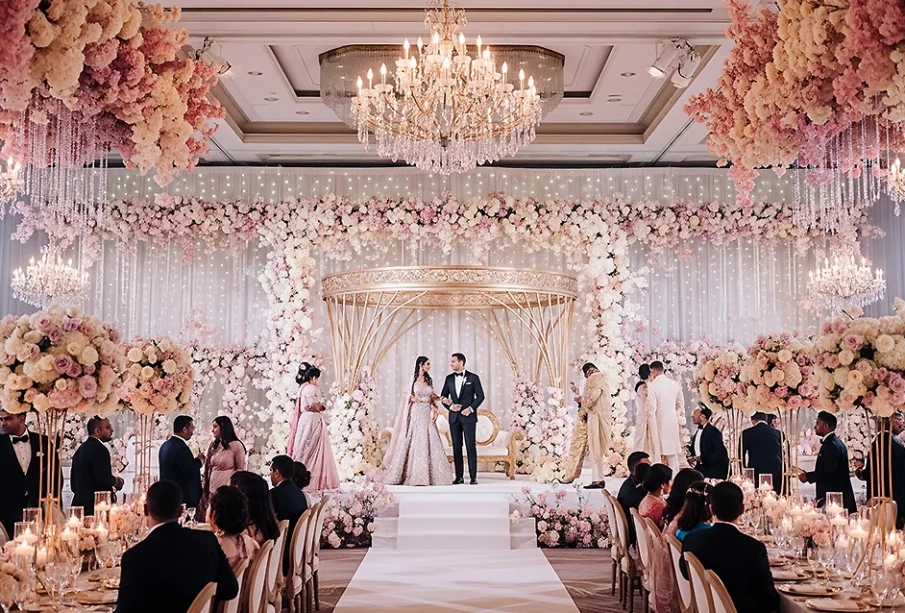
Create smaller “neighborhoods” within the event space. Use high-end furniture, dramatic lighting, and clever partition designs to build lounges where groups can settle. These spaces serve as anchor points that draw guests together. By providing comfortable, residential-style seating arrangements rather than standard event chairs, you signal to your guests that you value their comfort and the quality of their conversation. When guests feel comfortable and relaxed, they are more likely to engage deeply, which elevates the entire social atmosphere of the event.
Culinary Theater and Bespoke Service
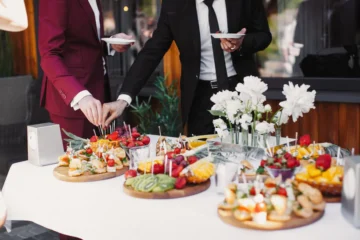
Food and beverage are the core of any social event, but at a high-end level, they must be transformed into a performance. Move away from the standard buffet or plated dinner and consider how the preparation and service of food can contribute to the narrative.
Live culinary stations, where guests can interact with renowned chefs, offer a unique combination of quality and engagement. Consider menus that offer a thematic progression—perhaps highlighting rare, seasonal ingredients or exploring a specific culinary tradition through a modern lens. Beverage service should be treated with the same rigor. A high-end event could feature a dedicated mixology concierge, an expert sommelier curating pairings in real-time, or even a private tasting bar where guests can sample rare vintages or spirits that are not available to the general public. The goal is to provide a dining experience that feels like a private masterclass rather than a mass-catering event.
Technology as a Hidden Facilitator
In a high-end experience, technology should be invisible. It should solve problems and enhance the atmosphere without ever drawing attention to itself. Use smart lighting systems to shift the tone of the event throughout the evening, subtly moving from a crisp, energetic vibe during the cocktail hour to a warm, intimate atmosphere for dinner.
Consider the use of personalized technology to assist guests. A private, secure mobile interface could provide information about the evening’s program, allow guests to request specific services, or provide a means to connect with other attendees in a controlled, respectful manner. The technology should function as a digital concierge, enhancing the personal touch of your hospitality staff rather than replacing it. When technology functions seamlessly, it reinforces the feeling that the event is perfectly orchestrated.
Sustainable Luxury and Ethical Curation
Today, true luxury is inextricably linked to responsibility. A high-end experience must reflect the values of a conscious audience. This means sourcing locally not only for the food but for the decor and the event talent as well.
Partner with local artisans to create unique pieces for your event. This supports regional talent and ensures that your event has a one-of-a-kind feel that cannot be replicated anywhere else. Sustainability should be evident in your waste management, your energy choices, and your commitment to minimizing the environmental impact of your gathering. When you can communicate that your event was produced with respect for its impact, you deepen the perceived value and the emotional connection your guests have with the occasion.
Frequently Asked Questions
What is the best way to handle privacy for high-profile guests at a public event?
The key is to create dedicated, semi-private zones that feel integrated into the event but offer a physical buffer. Use professional, hospitality-focused security staff who are trained to be discreet and helpful, ensuring that the presence of protection is never disruptive to the guest experience.
How can I ensure the flow of the event remains smooth for a large group?
Use professional event runners or a dedicated “floor captain” whose sole job is to manage the movement of guests and ensure that no area of the event becomes stagnant. Clear wayfinding, even if it is subtle and integrated into the decor, is also vital.
What is the most effective way to incorporate personalization for a large guest list?
Focus on touchpoints that can be scaled, such as personalized menu cards, a custom scent profile, or an interactive activity that allows guests to create a unique takeaway. It is not about individual gifts for every person, but about creating an environment that feels uniquely tailored.
How do I balance the need for high-end decor with environmental responsibility?
Prioritize rentals of high-quality items over single-use decor. Work with design partners who specialize in upcycling or who maintain an inventory of beautiful, reusable structures. Choosing locally sourced floral elements and focusing on minimalism can also significantly reduce your event’s footprint.
How much time is required to plan a truly high-end experience?
High-end planning often requires a lead time of at least six to twelve months. This provides the necessary time to secure exclusive venues, commission bespoke elements, and manage the complex logistics that are required to achieve a flawless result.
How do you measure the success of an experiential event?
Success is measured through guest engagement and the duration of their stay. If guests are still present and engaged well past the expected end time, it is a sign that the atmosphere you have created is compelling. Post-event feedback regarding the “feel” and “narrative” of the evening is also a critical metric.
What is the biggest mistake planners make when trying to deliver a high-end experience?
The biggest mistake is over-programming the event. High-end experiences require moments of breathing room, where guests can socialize and enjoy the atmosphere at their own pace. Avoid creating a schedule that is so rigid that it prevents the event from feeling natural and spontaneous.